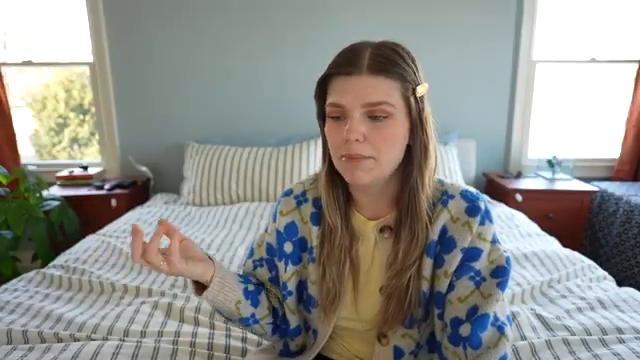
In this video titled "Influencer Fatigue | Internet Analysis" [00:00], content creator Tiffany Ferg explores the cultural phenomenon of widespread resentment toward influencers, examining wh
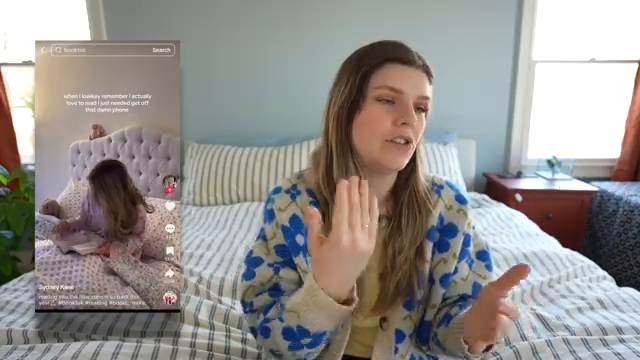
In this video titled "Influencer Fatigue | Internet Analysis" [00:00], content creator Tiffany Ferg explores the cultural phenomenon of widespread resentment toward influencers, examining wh
ether the backlash is driven by influencer fatigue, ad fatigue, screen fatigue, or a combination of all three.
The Root of Influencer Fatigue and Dislike
Scapegoating Society's Ills: Influen
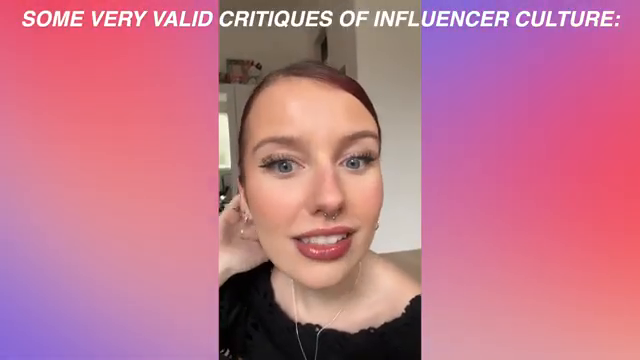
cers often act as easy targets for modern societal frustrations, with many viewing them as annoying, entitled, out-of-touch, and materialistic [00:14].
Economic Disparity: The immense wealth
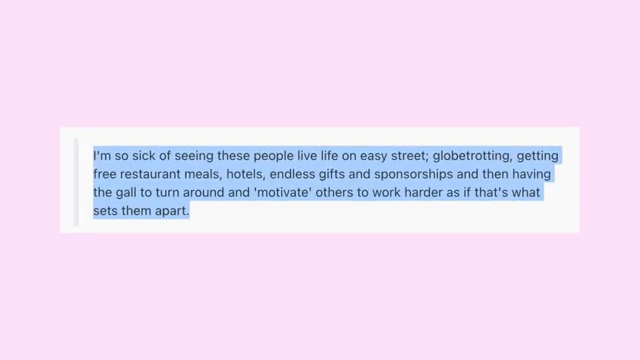
and lifestyle displayed by top creators can feel particularly offensive during difficult economic times, high unemployment, and housing crises [04:06]. For many, becoming an influencer feel
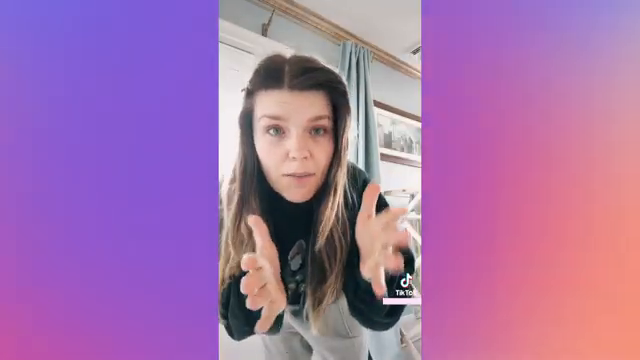
s like the modern American dream due to a lack of traditional career paths [04:19].
Commodofication of the Self: The job requires turning oneself into a brand, which can feel dehumanizing, e
mbarrassing, and isolating. Creators live in constant fear of public failure, negative algorithms, and overwhelming criticism [09:43].
The Attention Economy and Over-Monetization
Engagement
Over Ethics: The pressure to generate numbers creates perverse incentives where even heavy backlash or negative attention translates to financial success through millions of views [12:36].
L
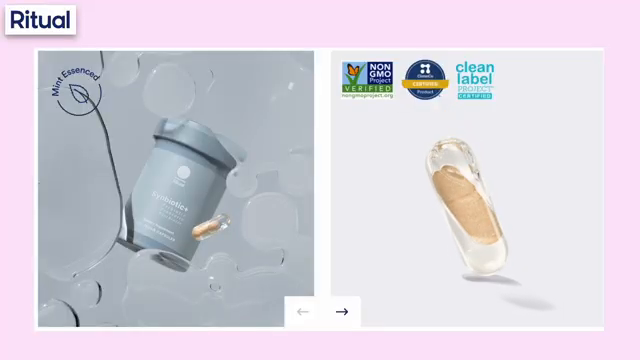
ink-Heavy Culture: Many lifestyle creators promote constant consumerism by linking dozens of products daily, which contributes heavily to fast-fashion waste and environmental issues [27:57].
Ad Saturation: The sheer volume of sponsored posts, TikTok shop placements, and advertisements shifts the platform energy from human connection to pure extraction [32:16].
Gender Dynamics a
nd Misogyny
Pink-Collar Labor: The industry is overwhelmingly female-coded. Hatred toward influencers frequently mirrors historical misogyny, such as stereotypes that women are bad with mone
y, overly focused on shopping, or engaged in vapid activities [21:02].
Household Management: Product recommendations and domestic curation often represent invisible labor performed primarily
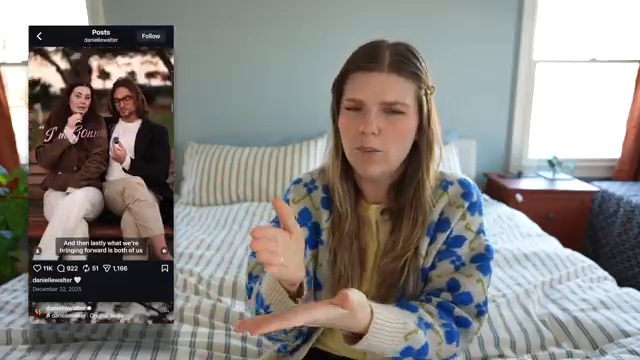
by women, making blanket dismissals of all consumer content overly simplistic [24:17].
Solutions and Moving Forward
Curating Feeds: To combat fatigue, viewers are encouraged to use the unfo
llow and block buttons generously to remove unwanted content [39:03].
Directing Frustration Productively: While venting about internet culture is normal, viewers should channel systemic econ

omic anger toward elected officials rather than solely blaming individual creators [18:11].
Media Intentionality: Recognizing the power of personal attention and supporting independent, tran
sparent creators helps foster a healthier relationship with digital media [38:44].
https://www.youtube.com/watch?v=dZKY7NMxUiQ
Influencer Fatigue | Internet Analysis
tiffanyferg · 248K views

Viewer Discussion & Comments